Share
Chewing Without Worries: The Complete Guide to Safe Dog Treats
Safe chews for your dog – a guide by chew type.
All about safe chewing: which chewing material is right for your dog, how do you prevent choking and when do you replace a snack or chew toy?
Why chewing is important
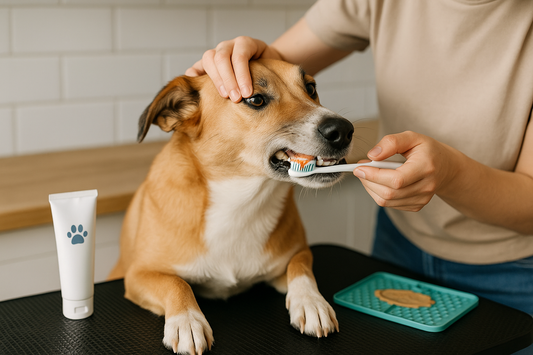
Chewing helps with stress regulation , dental hygiene, and calming activity. The key is matching the chewing profile : puppy, soft chewer, average chewer, or power chewer.
Chewing types in brief
- Soft animal snacks (e.g. chicken fillet/lung): ideal for puppies and sensitive stomachs.
- Medium dried (beef head hide, hide rolls): for average chewers.
- Hard/durable (rubber or nylon, specially designed): for powerful chewers.
- Wood alternatives (coffee tree root/olive): low-splinter, always supervise.
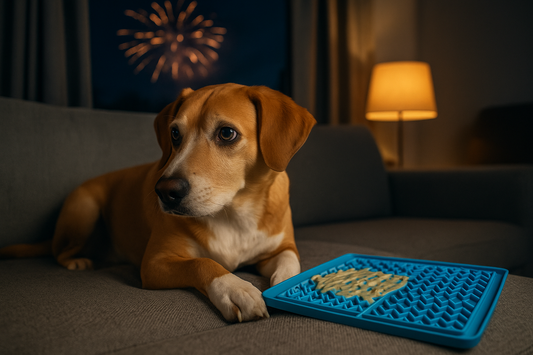
- Lick mat & stuffed toys : calming, portion control.
Safety Rules (Remember!)
- Always supervise – especially with new snacks.
- Size : larger than the jaw opening; remove any pieces that are too small in time.
- Texture test : Does your nail leave a slight impression? Then it's usually gentler on teeth.
- Provide water and a quiet place .
- Replace if worn (cracks, sharp edges, <⅓ of original).
- Introduce new things slowly (1 species at a time).
Special situations
- Puppies : soft, easily digestible options; short chewing periods (5–10 min).
- Seniors/sensitive teeth : use softer snacks or lick mats; avoid hard materials.
- Power chewers : Choose products that have been specifically tested for this purpose; check daily.
Smart routines
- After the walk (tired body → calm mind).
- During visits (management), or during thunderstorms/fireworks as a predictable distraction.
- Fill and freeze lick mats/toys for warm weather or slower snacking.
Louis Choice tip: Create a chewing rotation (3-4 options) and record what worked best each week. This prevents boredom and overload on one type.